


Choosing the perfect color for your home’s exterior is never easy—especially in the Pacific Northwest. Between the region’s dense greenery, overcast skies, and unique weather conditions, it’s a task that requires careful thought. The right exterior paint can either harmonize your home with its natural surroundings or set it apart with a striking statement, while simultaneously protecting it from the elements.
This blog will guide you through the best exterior color options for Pacific Northwest homes. We’ll explain how to balance aesthetics with functionality, highlight trending and timeless shades, and give you practical tips for choosing and maintaining your home’s exterior paint.
Understanding the Pacific Northwest Aesthetic
The Pacific Northwest (PNW) is famed for its breathtaking natural beauty—think lush evergreen forests, misty mountains, and spectacular coastlines. This serene, reflective environment is also reflected in the region’s architectural design, often marked by earthy tones and natural materials like wood and stone. Homes here are typically designed to complement the surrounding landscape rather than overshadow it. Wood siding is commonly used in PNW homes, as it complements the natural surroundings beautifully.
When it comes to selecting exterior colors, blending with nature is key. Soft, earthy tones, muted hues, and occasionally bold accents dominate the PNW palette. Whether you’re in Seattle, Bellevue, or Portland, the goal is to create a seamless transition between your home and its environment.

Understanding the Pacific Northwest Climate
The Pacific Northwest (PNW) region, encompassing states like Washington, Oregon, and parts of Idaho, is renowned for its unique climate. Characterized by mild temperatures, high humidity, and significant rainfall throughout the year, the PNW climate presents specific challenges for exterior paint. The constant moisture, temperature fluctuations, and potential for mold and mildew growth can all impact the longevity and appearance of your home’s exterior.
When selecting an exterior paint for a home in the PNW, it’s crucial to consider how well the paint can withstand these conditions. Acrylic paints are a popular choice due to their water-resistance and breathability, making them well-suited for the damp PNW climate. These paints allow moisture to escape from the underlying surface, reducing the risk of blistering and peeling.
In addition to choosing the right type of paint, proper surface preparation is essential. Ensure that the surface is clean, dry, and free of any imperfections before applying the paint. Using a self-priming paint can be particularly beneficial in the PNW, as it helps create a strong bond between the paint and the surface, enhancing durability and longevity. This extra step can make a significant difference in how well your paint job holds up against the region’s challenging weather conditions.

Best Exterior Colors for Pacific Northwest Homes
The Pacific Northwest (PNW) region, encompassing states like Washington, Oregon, and parts of Idaho, is renowned for its unique climate. Characterized by mild temperatures, high humidity, and significant rainfall throughout the year, the PNW climate presents specific challenges for exterior paint. The constant moisture, temperature fluctuations, and potential for mold and mildew growth can all impact the longevity and appearance of your home’s exterior.
When selecting an exterior paint for a home in the PNW, it’s crucial to consider how well the paint can withstand these conditions. Acrylic paints are a popular choice due to their water-resistance and breathability, making them well-suited for the damp PNW climate. These paints allow moisture to escape from the underlying surface, reducing the risk of blistering and peeling.
In addition to choosing the right type of paint, proper surface preparation is essential. Ensure that the surface is clean, dry, and free of any imperfections before applying the paint. This extra step can make a significant difference in how well your paint job holds up against the region’s challenging weather conditions.
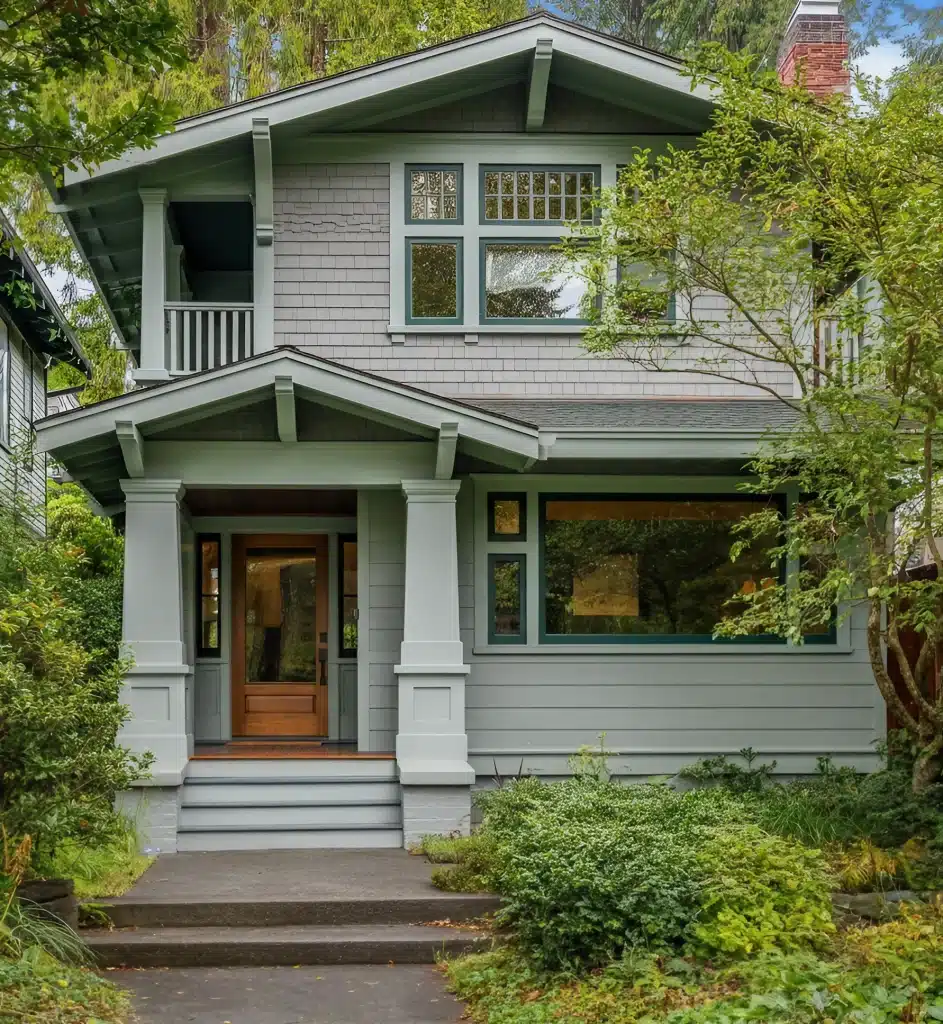
- Siding: Light French Gray (SW 0055)
A mild gray that appears fresh and bright, even on cloudy days. - Trim:Pale Smoke 1584
A soft, muted blue-gray with subtle green undertones, offering a serene and sophisticated feel. - Accent: Black Forest Green (HC-187)
A dark forest green with subtle blue undertones, great for an authentic Craftsman look.
1. Earthy Greens
Muted greens—such as moss, sage, and forest—are incredibly popular throughout the Pacific Northwest. These shades mirror the surrounding evergreen landscapes, allowing homes to feel like they belong in nature. Using durable paint for these earthy green colors is essential to withstand the PNW climate.

- Siding: Light French Gray (SW 0055)
A mild gray that appears fresh and bright, even on cloudy days. - Trim: White Dove OC-17
Undertones of cream and beige add richness and complexity. - Accent: Lily Lavender (2071-60) A soft and airy lavender with delicate pink undertones, bringing a gentle and serene touch to any space.
2. Soft Grays and Cool Whites
Gray skies are a signature of the PNW, and gray tones for home exteriors are an excellent way to either complement or contrast the region’s weather. Light, cool whites and dove grays pair wonderfully with modern and minimalist architecture. These shades can reflect the softer tones of overcast weather while maintaining a clean, elegant aesthetic. Additionally, using high gloss paint for certain architectural styles can enhance the reflective properties and add a vibrant, durable finish.

- Siding: Hudson Bay 1680
A deep and striking blue with rich navy undertones, evoking the depth of ocean waters and a timeless sophistication. - Trim: Pure White SW 7005
A soft, warm white with subtle undertones for a clean yet inviting look.
3. Deep Blues
Dark blues, such as navy, cobalt, and slate, provide a rich contrast to the muted greens and grays of the PNW landscape. These shades look elegant in rainy weather and can add both warmth and depth to your home’s exterior. Additionally, certain finishes can either hide or accentuate surface imperfections, making finish selection crucial for achieving the desired aesthetic outcome.
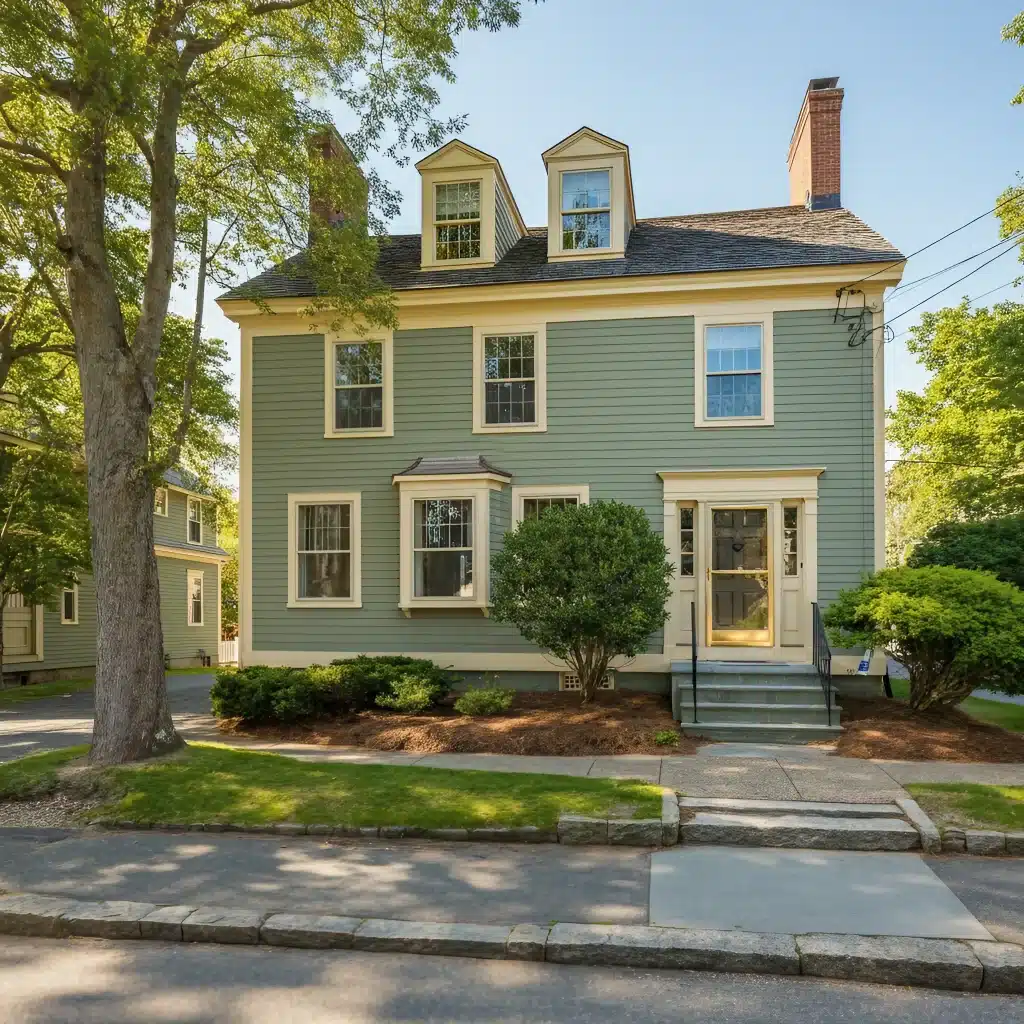
- Siding: No. 83 Chappell Green A delicate and refreshing green with subtle blue undertones, evoking a timeless, vintage charm.
- Trim: Gentle Cream OC-96 A warm and inviting cream with soft golden undertones, adding a cozy and timeless elegance to any space.
4. Earth-Toned Neutrals
Neutral tones like taupe, beige, muted cream, or even a touch of clay can give a home a grounded, earthy presence that resonates with the region’s style. These shades are versatile and pair well with darker trim colors for added dimension. Selecting the right exterior house paint is crucial for achieving the desired look with earth-toned neutrals.
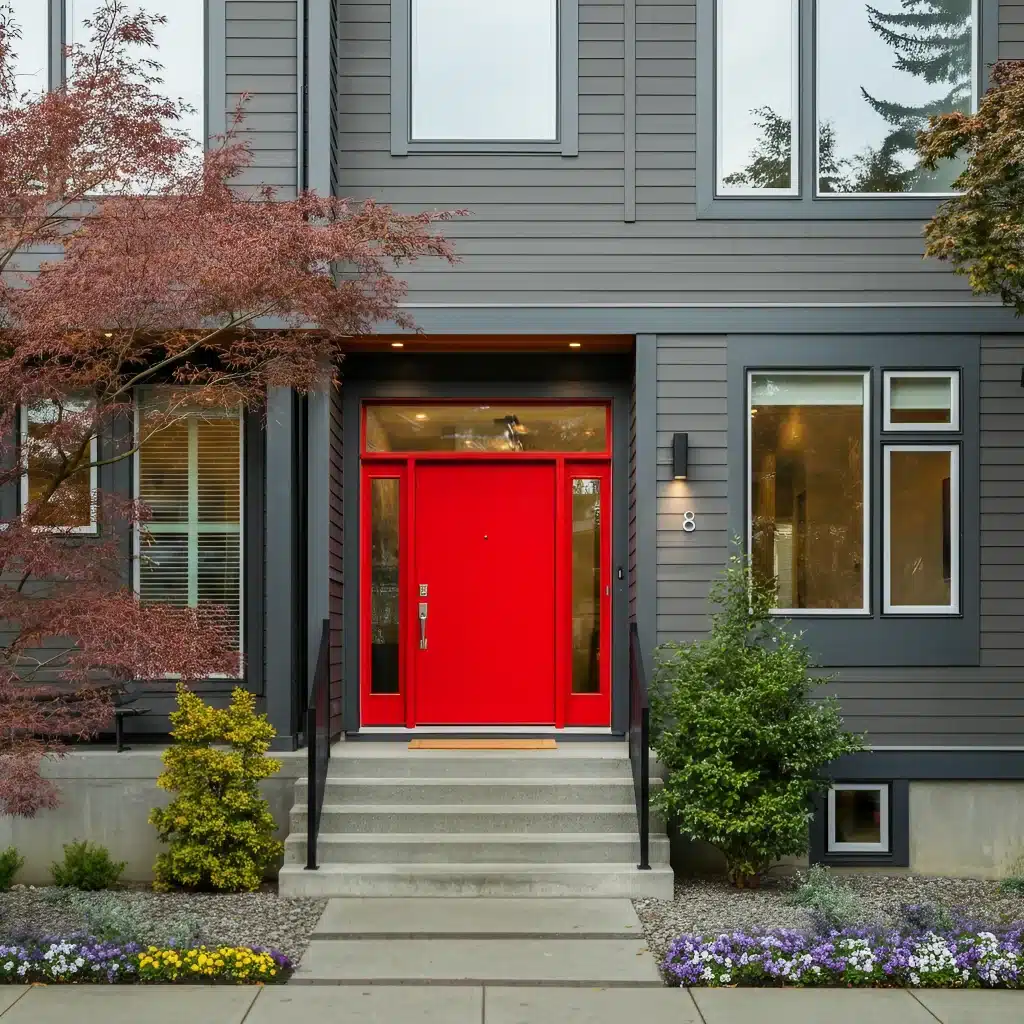
- Siding: Gray 2121-10
A deep, sophisticated charcoal gray with cool undertones, offering a bold and modern foundation. - Trim: Soot 2129-20
An intense, almost-black shade with rich blue undertones, adding depth and definition. - Accent: Tulip Red 1001
A vibrant and energetic red with warm undertones, providing a striking contrast and a pop of color.
5. Bold Accents
While PNW homes typically favor muted and earthy palettes, it doesn’t hurt to incorporate a pop of bold color—especially for front doors. A vibrant accent on an otherwise neutral-colored exterior can bring a touch of personality without feeling overwhelming. Common choices include deep red, mustard yellow, or teal. Selecting the best exterior house paint for these bold accents is crucial to ensure durability and aesthetic appeal.
Tips for Choosing the Right Color
When narrowing down your choices, keep the following tips in mind to find a color that aligns with your home and environment:
- Consider Your Home’s Style: Different architectural styles complement different palettes. Subdued tones suit craftsman and colonial homes, while bolder contrasts work best for modern designs.
- Factor in the Neighborhood: Take a look around your area. While standing out can be great, maintaining harmony within your neighborhood is equally important.
- Think About the Climate: The PNW’s rainy seasons can brighten darker tones, while lighter shades can sometimes appear washed out. Select colors that maintain their vibrancy or subtlety in various lighting conditions.
- Test Before Committing: Once you’ve narrowed down options, buy small samples and test them directly on your home’s exterior. Observe how they look during different times of the day.
- Work with Professionals: If you’re feeling unsure, consult local painters or expert professionals like Sherwin Williams, Benjamin Moore, or Fine Paints of Europe to get their take on weather-tested, high-quality products.
- Estimate How Much Paint You Need: Accurately estimating how much paint is needed for your project is crucial to avoid budget issues and excess trips to the store. Consider the size of your house, surface type, and the use of primers to determine the right amount.
Types of Exterior Paint
When it comes to exterior painting, selecting the right type of paint is just as important as choosing the right color. Here are the most common types of exterior paint, each with its unique characteristics, advantages, and disadvantages:
- Latex Paint: This water-based paint is easy to clean up and dries quickly. Latex paint is a popular choice for exterior painting projects due to its flexibility, breathability, and resistance to mildew. It’s ideal for a variety of surfaces and is known for its durability in different weather conditions.
- Oil-Based Paint: Known for its smooth, hard finish, oil-based paint is a solvent-based option that is particularly suitable for exterior doors, metal railings, and other surfaces that require a durable finish. While it takes longer to dry and requires mineral spirits for cleanup, its durability makes it a worthwhile choice for high-traffic areas.
- Acrylic Paint: Similar to latex paint but with a higher level of durability and water-resistance, acrylic paint is an excellent choice for the PNW climate. Its ability to withstand moisture and mildew makes it ideal for homes in this region. Acrylic paints also offer excellent adhesion and flexibility, which helps them endure the PNW’s temperature fluctuations.
- Epoxy Paint: This two-part paint hardens when mixed together, creating an extremely durable and resistant surface. Epoxy paint is often used on garage floors, driveways, and other high-traffic areas due to its resistance to scratches, fading, and chemicals.
- Elastomeric Paint: Known for its flexibility, elastomeric paint can stretch and contract with the surface, making it ideal for exterior masonry, stucco, and concrete surfaces. This type of paint provides excellent protection against cracking and peeling, which is particularly beneficial in the PNW’s variable climate.
When choosing an exterior paint, consider the type of surface you’re painting, the local climate, and the desired finish. Reading reviews, checking the paint’s warranty, and consulting with a professional painter can also help you make an informed decision. In the next section, we’ll explore the best exterior house paints for the PNW climate, including their characteristics, benefits, and drawbacks.
The Longest Lasting Exterior Paint for Pacific Northwest Climates
Given the moisture and frequent rain in the Pacific Northwest, it’s crucial to pick the best exterior paints that are durable and weather-resistant. Look for options labeled as mildew-resistant and UV-protectant.
- Benjamin Moore Aura Exterior Paint is a popular choice for its fade-resistant finish and excellent performance in damp climates.
- Sherwin Williams Emerald Rain Refresh not only resists mold and mildew but also offers a self-cleaning technology for pristine exteriors.
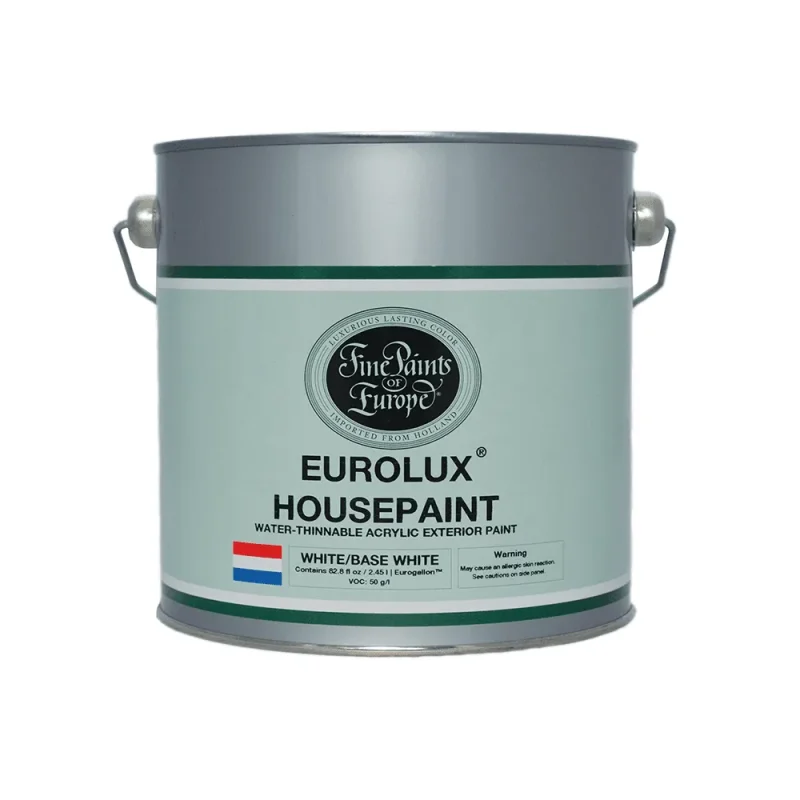
- Fine Paints of Europe Eurolux Exterior is renowned for its stunning finish and long-lasting protection, suited for premium homes.
Always prep your home thoroughly by cleaning surfaces and applying the recommended primer to ensure the best paint adhesion and longevity.
2025 Trending House Colors for the Pacific Northwest
If you’re looking to stay on top of trends, the upcoming years are leaning toward sophisticated hues that borrow inspiration from nature:
- Rich Terracottas: Warm reddish-browns are gaining popularity for adding warmth and personality.
- Moody Greens: Deeper, moodier shades of green like spruce and juniper are being favored for their grounding effect.
- Dusty Blues: Light, muted blues with gray undertones offer a contemporary twist to classic blue homes.
- Warm Creams: Creams with slight hints of yellow or beige exude subtle warmth and elegance.
Selecting high-quality exterior paints is crucial for achieving these trending colors with durability and weather resistance.
Maintaining Exterior Colors in the PNW
Even the best paint can lose its charm in harsh weather without proper maintenance. Here’s how to keep your home’s exterior looking vibrant:
- Clean Regularly: Power wash your home every year to remove mildew and dirt buildup.
- Inspect and Touch Up: Check for cracks, peeling, or faded areas annually, especially after winter.
- Use High-Quality Sealants: Seal cracks around windows, doors, and trims to prevent moisture damage.
- Consider Oil-Based Paints: Oil-based paints offer excellent durability and weather resistance, repelling water and withstanding harsh conditions.
Bring Nature Home with the Perfect Palette
A home’s exterior color isn’t just about aesthetics—it’s about evoking a feeling of welcome and belonging, both to you and the environment. By choosing colors that resonate with the Pacific Northwest aesthetic, you can craft a home that feels like it’s always been a part of the breathtaking landscape. Selecting high-quality best exterior paints is crucial for achieving the desired aesthetic and ensuring durability against various weather conditions.
Have you repainted your PNW home recently? Share your story in the comments! Or, if you’re ready to start your exterior color transformation, reach out to our team of local residential painters for expert advice and flawless results.
