

A gallon of paint typically covers 350 to 400 square feet per coat, depending on the surface texture, paint type, and application method. This means one gallon is sufficient for small spaces like a bathroom or accent wall. However, for standard rooms (10×12 feet), you may need 1-2 gallons if applying multiple coats or using highly absorbent surfaces like bare drywall.
Why Is Accurate Paint Coverage Important?
Misjudging paint coverage can lead to wasted money, time, and effort. Buying too much paint results in unnecessary expenses, while buying too little may cause inconsistencies in color due to paint batch variations. By properly estimating how much paint you need, you ensure a smooth and efficient painting process.
Factors That Affect Paint Coverage
While the general range is 350-400 square feet, several factors can affect the actual coverage:
- Surface Type – Rough or porous surfaces (like stucco, textured walls, or unprimed drywall) absorb more paint, reducing coverage.
- Paint Quality – Higher-quality paints often have better pigmentation, allowing better coverage with fewer coats.
- Application Method – Spraying tends to spread paint more efficiently than brushing or rolling.
- Number of Coats – Darker colors, drastic color changes, or lower-quality paints often require multiple coats.
- Primer Use – Using a tinted primer can help improve coverage and reduce the number of paint coats needed.

How Many Gallons Do You Need for a Room?
Here’s a quick guideline for common room sizes based on a single coat of paint:
- Small Room (e.g., Bathroom, Accent Wall): 1 gallon
- Medium Room (10×12 ft, 4 walls): 2 gallons
- Large Room (Living Room, Open Concept Space): 3+ gallons
If you’re painting a textured or previously unpainted surface, expect to use 20-30% more paint than the standard estimate.
Tips to Maximize Paint Efficiency
- Use a tinted primer when painting over dark colors or fresh drywall.
- Calculate extra paint for trims and ceilings if they are being painted the same color.
- Buy extra for touch-ups, as paint batches can vary slightly in tone.
- Use a paint calculator to get an accurate estimate based on your room’s square footage.
- Avoid over-applying paint—thin, even coats yield the best results.
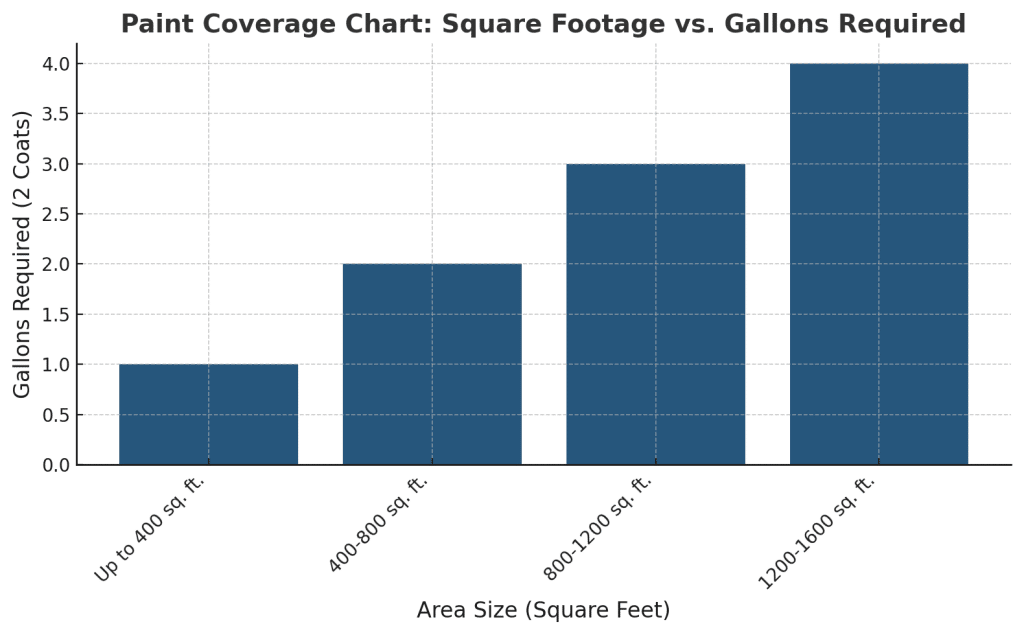
How to Estimate Paint Quantity Accurately
To ensure you buy the right amount of paint, follow these simple steps:
- Measure Your Walls – Multiply the height by the width of each wall to determine the total square footage.
- Subtract Non-Paintable Areas – Deduct windows, doors, and built-ins to find the actual paintable surface.
- Adjust for Multiple Coats – If two coats are needed, multiply the total area by two.
- Account for Surface Texture – For rough or porous surfaces like popcorn ceilings or textured walls, reduce coverage expectations by 20-30%.
- Use an Online Paint Calculator – Many home improvement sites offer digital tools to simplify paint estimates. Sherwin Williams Calculator.
- Buy 10% Extra – Always purchase a little more paint than calculated for touch-ups and minor miscalculations.
Case Studies: Real-World Paint Estimates
Example 1: Bedroom (12×12 ft)
- Wall area: (12×10)x2 + (12×8)x2 = 240 + 192 = 432 sq ft
- Subtract windows and doors (50 sq ft) = 382 sq ft
- Two coats needed = 764 sq ft total
- Gallons required: 764 ÷ 350 = 2.2 gallons
Example 2: Exterior Siding (1,500 sq ft home)
- Stucco or wood siding absorbs more paint, requiring 10-15 gallons for full coverage.
Example 3: Touch-Up Project
- A single quart (covering ~100 sq ft) is enough for minor touch-ups on cabinets or trim.
Choosing the Right Paint for Your Project
- For smooth walls: Opt for high-quality latex paints for a flawless finish.
- For textured walls: A higher solids-content paint provides better coverage.
- For color changes: A built-in primer paint reduces the number of coats needed.
Why Quality Paint and Tools Matter
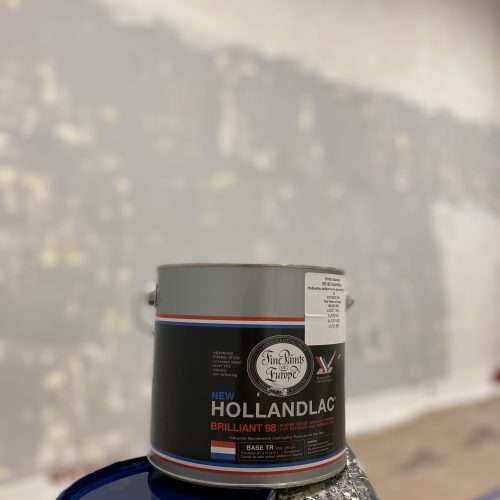
Your choice of paint and tools can make or break your project. High-quality paints provide better pigmentation, faster drying times, and longer-lasting results. Investing in reliable rollers and brushes reduces waste and ensures an even finish across all surfaces. Don’t skimp here—it can save you from needing additional coats (and costs!) later.
Remember, short-term savings on low-cost, low-quality paint often lead to compromises on durability and appearance.
Final Thoughts
A gallon of paint will generally cover 350-400 square feet, but exact coverage depends on multiple factors. By considering surface type, paint quality, and application methods, you can more accurately estimate how much paint your project will need. If you’re unsure, consult a professional to get the best results.
Start Painting with Confidence!
Understanding paint coverage is crucial—not just for saving time and money, but for ensuring flawless, professional results. Factors like surface texture, paint type, and application methods can greatly influence coverage, and tackling these challenges on your own can feel overwhelming.
Why not let the experts handle it? At PAINTZONE, we specialize in delivering stunning, high-quality finishes for every painting project. Whether it’s a small refresh or a complete transformation, our team has the skills and expertise to bring your vision to life.
Ready to get started? Contact us today for a free consultation, and let us take the guesswork out of your painting project. Together, we’ll make your home a masterpiece!
Remember, short-term savings on low-cost, low-quality paint often lead to compromises on durability and appearance.
