

Peeling paint is a common issue that many homeowners face, leading to unsightly walls and potential structural problems. Understanding the root causes of peeling paint is essential for effective prevention and maintenance. In this comprehensive guide, our painting contractor will explore the primary reasons behind paint peeling and provide expert solutions tailored for both residential and commercial clients to help you fix and prevent this issue.
Table of Contents
2. Poor Surface Preparation in Interior Painting Services
3. Using Low-Quality or Expired Paint
5. Environmental Factors in Exterior Painting Services
Preventive Measures by Professional Painters to Avoid Peeling Paint
FAQs: Your Peeling Paint Questions Answered
What is Paint Peeling?
Paint peeling is a common issue that occurs when the paint on a surface begins to flake off or peel away. This can be caused by a variety of factors, including poor surface preparation, low-quality paint, or exposure to harsh weather conditions. Paint peeling can be unsightly and can also lead to further damage to the underlying surface if left unchecked.
In Seattle, WA, homeowners and business owners can trust professional painters to provide high-quality painting services that can help prevent paint peeling and ensure a long-lasting finish.
Common Causes of Peeling Paint and How to Fix Them

1. Moisture Intrusion
Issue:
Moisture is one of the leading causes of peeling paint. When water seeps into walls due to leaks, high humidity, or poor ventilation, it weakens the bond between the paint and the surface, causing it to bubble and peel.
Solution:
✔ Fix leaks in roofs, gutters, and plumbing to prevent water from infiltrating walls.
✔ Ensure proper ventilation in high-humidity areas like bathrooms and kitchens.
✔ Use moisture-resistant primers and paints to enhance durability.
2. Poor Surface Preparation in Interior Painting Services
Issue:
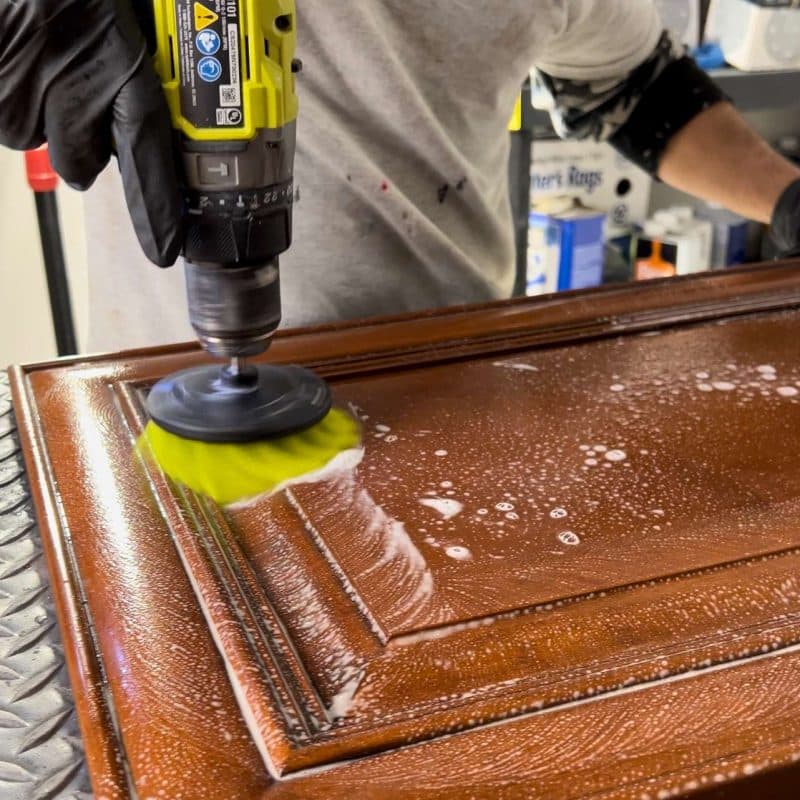
Painting over a dirty, greasy, or glossy surface without proper cleaning or sanding prevents paint from adhering correctly, leading to premature peeling.
Solution:
✔ Always clean walls thoroughly before painting to remove dirt, grease, and old paint residues.
✔ Sand glossy surfaces and apply a high-quality primer for better adhesion.
✔ Allow sufficient drying time between coats.
3. Using Low-Quality or Expired Paint
Issue:
Cheap or expired paint lacks the necessary bonding agents and durability, making it prone to cracking and peeling under environmental stress.
Solution:
✔ Invest in high-quality paints from reputable brands that are designed for longevity. ✔ Check the expiration date before using stored paint.
✔ Use the correct type of paint for different surfaces (e.g., exterior-grade paint for outdoor use).
 4. Incompatible Paint Layers
Issue:
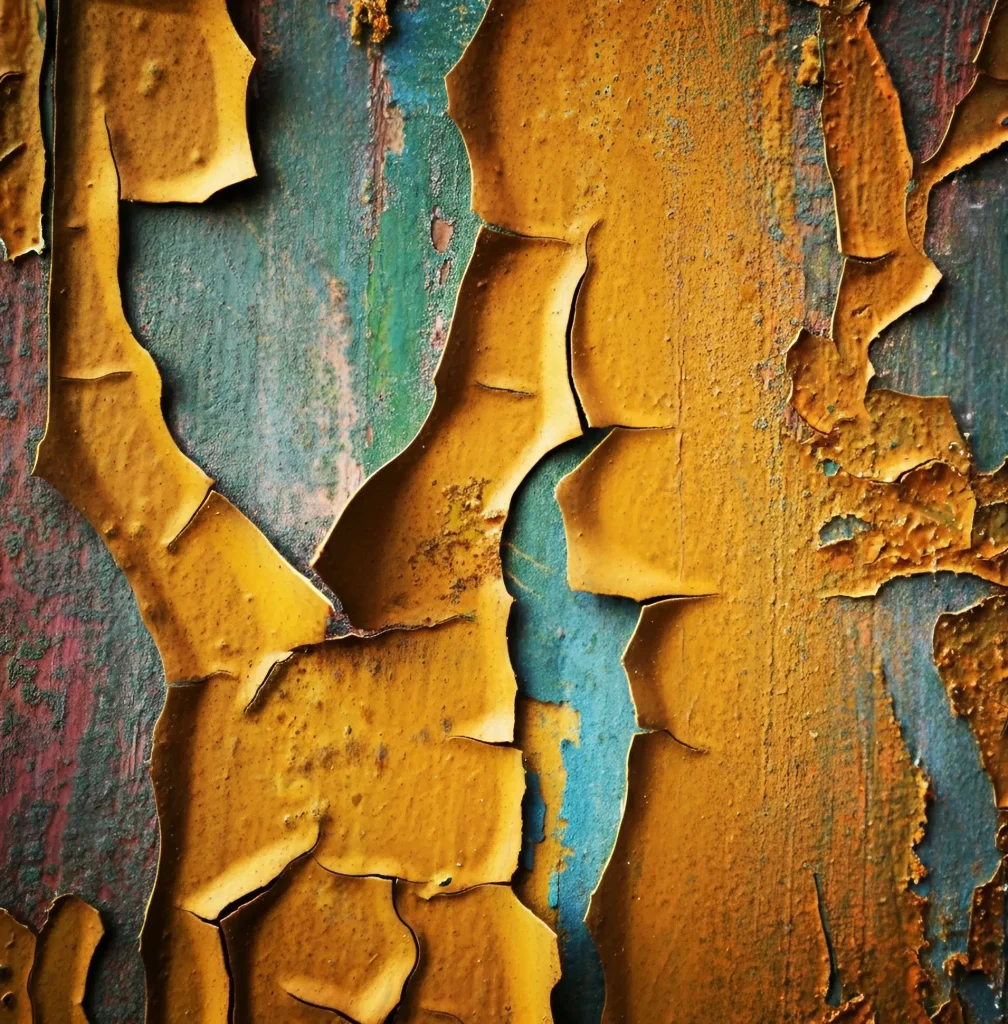
Applying latex paint over oil-based paint without proper priming can cause adhesion issues, leading to peeling.
Solution:
✔ Always test for existing paint type before applying a new layer.
✔ Use an adhesion-promoting primer when switching between different paint types.
✔ Lightly sand glossy or oil-based paint before applying a new coat.
 5. Environmental Factors in Exterior Painting Services
Issue:
Harsh weather conditions, such as extreme heat, heavy rain, or humidity, can cause paint to expand, contract, and eventually peel.
Solution:
✔ Choose weather-resistant paints designed for your climate.
✔ Apply paint in mild temperatures (50°F – 85°F) and avoid painting during extreme conditions.
✔ Regularly inspect and touch up paint in high-exposure areas.
Common Painting Mistakes
When it comes to painting, there are several common mistakes that can lead to subpar results. One of the most common mistakes is failing to properly prepare the surface before painting. This can include not cleaning the surface, not filling holes or cracks, and not sanding the surface to create a smooth finish.
Another common mistake is using low-quality paint or not applying enough coats of paint. This can result in a finish that is uneven, dull, or prone to peeling.
In Seattle, WA, professional painters can help homeowners and business owners avoid these common mistakes and achieve a high-quality finish that will last for years to come.
Preventive Measures by Professional Painters to Avoid Peeling Paint
-
Ensure Proper Surface Preparation – Clean, sand, and prime surfaces before painting. This ensures the highest quality service by providing a solid foundation for the paint to adhere to.
-
Control Moisture Levels – Fix leaks, improve ventilation, and use mold-resistant paints. Skilled painters understand the importance of controlling moisture to prevent peeling and ensure long-lasting results.
-
Choose the Right Paint – Invest in high-quality, durable paints suited for your environment.
-
Apply Paint Under Optimal Conditions – Avoid painting in high humidity or extreme temperatures.
FAQs: Your Peeling Paint Questions Answered
What is the main cause of peeling paint?
The most common cause is moisture intrusion, which weakens paint adhesion and leads to peeling.
Can peeling paint be fixed?
Yes, by removing loose paint, preparing the surface properly, and applying a fresh coat of high-quality paint.
What does peeling paint on exterior walls usually indicate in Residential Painting Services?
Peeling exterior paint often indicates weather damage, moisture intrusion, or improper application. For exterior house painting, it’s essential to address these issues to ensure a long-lasting finish.
Why does my wall paint peel off so easily?
Poor surface preparation, low-quality paint, or environmental exposure can cause premature peeling.
What can I use to stop paint from peeling?
Proper priming, surface preparation, moisture control, and using high-quality paint can prevent peeling.
Can you paint over a wall that is peeling?
No, always remove peeling paint, sand the surface, and prime before repainting for best results.
-
For more information on choosing the right paint, visit our Paint Selection Guide.
-
Learn how to properly prepare surfaces before painting in our Painting Preparation Tips.
